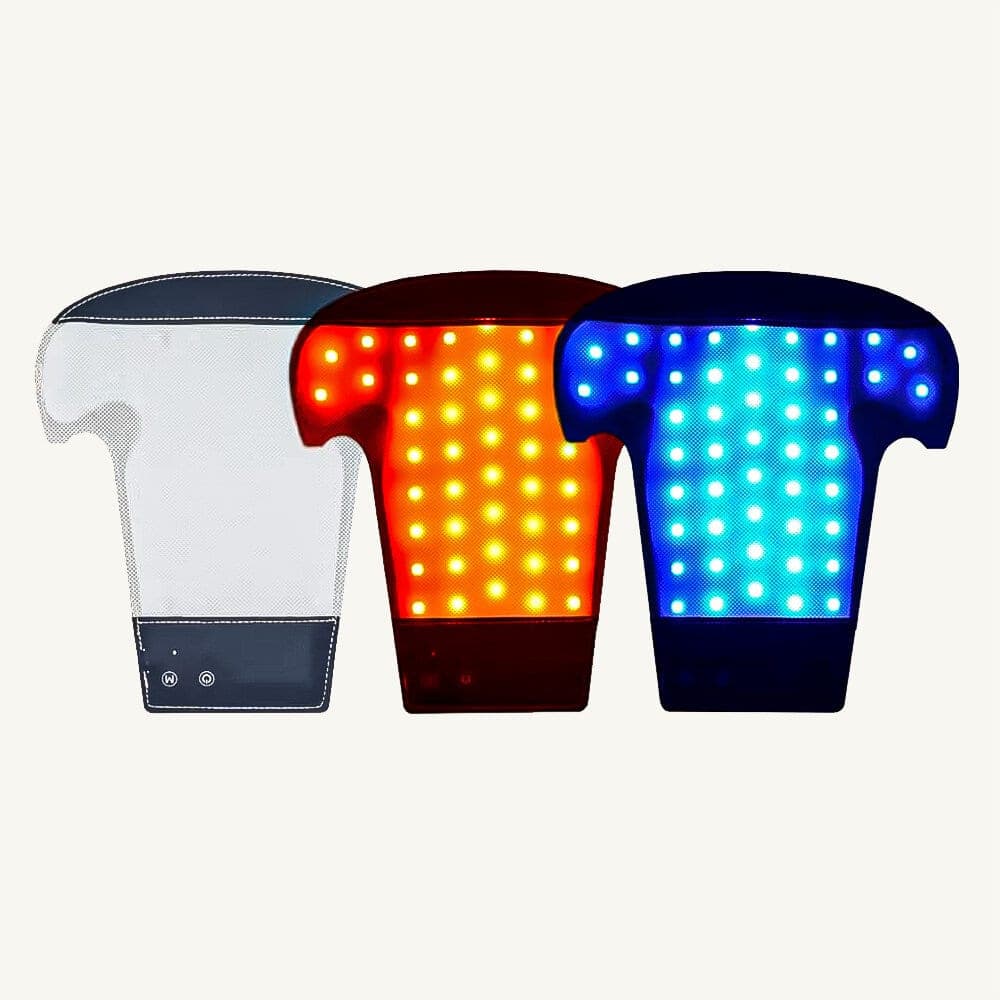
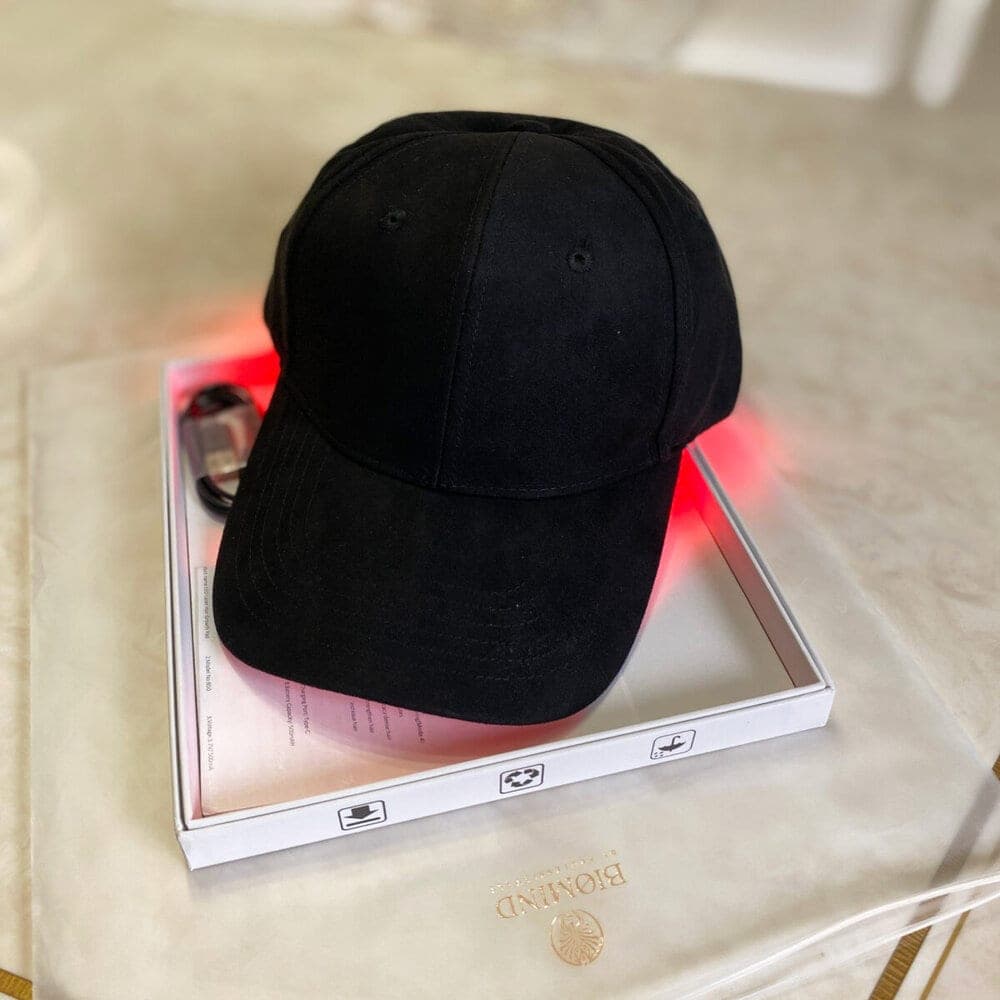
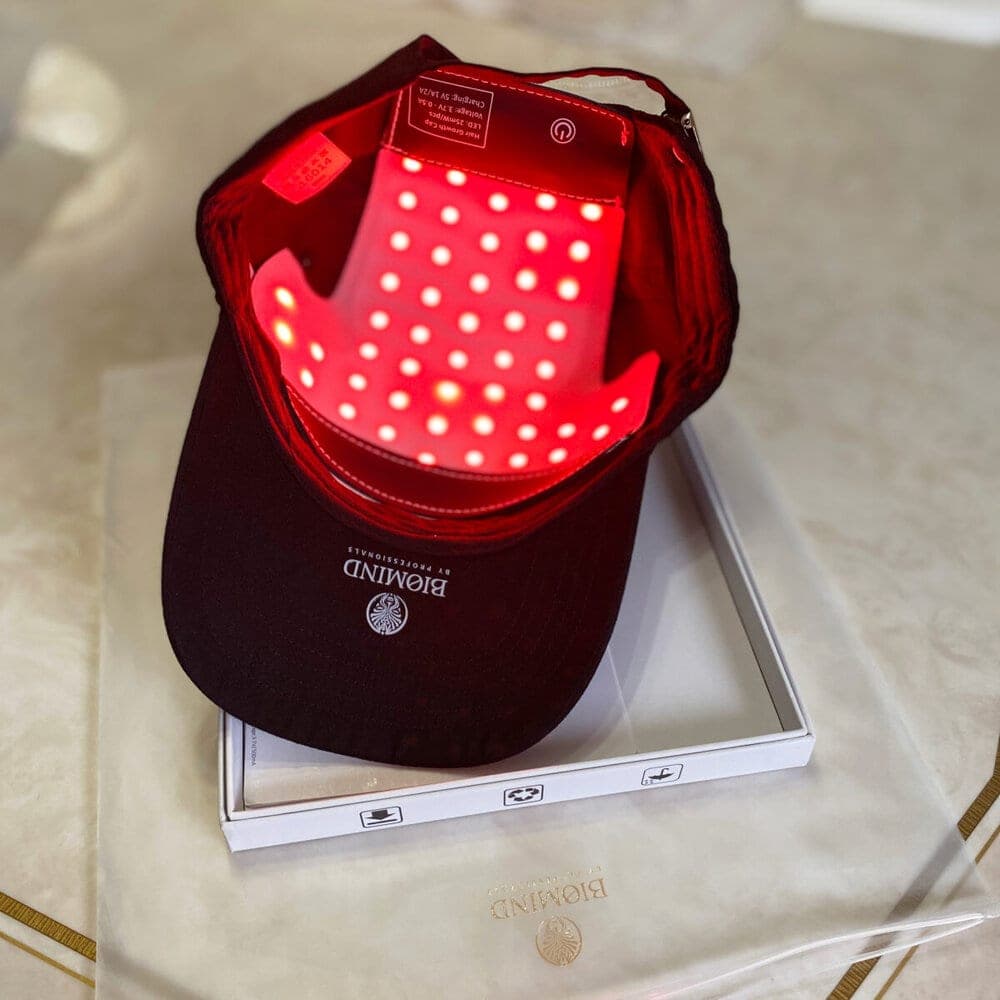
Red Light Therapy in the Context of Hair – Scientific Information
Red light therapy (RLT), photobiomodulation, and low-level laser / light therapy (LLLT) are technologies discussed in the scientific literature. Studies evaluate their relationship to the hair growth cycle, hair density, hair thickness, and other indicators. The devices, wavelengths, doses, power, and modes of use vary between studies, so the results of these studies are not directly attributable to this specific Biomind device.
What the scientific literature shows about this technology (RLT/LLLT in general, not about this specific product):
The data below describes the LLLT/RLT devices and protocols evaluated in specific scientific studies and systematic reviews. It is not proof of the clinical effectiveness of this specific Biomind device.
- Several meta-analyses and systematic reviews (see sources below) indicate that regular LLLT use is associated with increased hair density and thickness in people with androgenetic alopecia.
- Several randomized, double-blind, sham-device-controlled clinical trials (lasting 16–24 weeks, conducted with both men and women) show statistically significant differences between the real-device and placebo groups.
- The U.S. Food and Drug Administration (FDA) has granted 510(k) clearances to individual LLLT devices intended for use in the context of androgenetic alopecia. Such clearances apply to specific evaluated devices and do not by themselves apply to this Biomind product.
Important: The wavelengths used by this Biomind device may partly overlap with ranges discussed in the scientific RLT/LLLT literature, but this specific product has not been separately clinically studied. The information above summarizes the general scientific literature on RLT/LLLT technology overall and is not confirmation of the clinical effectiveness of this specific device.
The scientific RLT/LLLT literature examines various cosmetic hair and scalp indicators, including hair density, thickness, and the hair growth cycle. The results of individual studies depend on the specific device and protocol used and cannot automatically be attributed to this Biomind product.
Sources (scientific studies on RLT/LLLT and hair growth – not about this specific product):
- „Efficacy and Safety of a Low-Level Light Therapy for Androgenetic Alopecia: A 24-Week, Randomized, Double-Blind, Self-Comparison, Sham Device-Controlled Trial” — PMID: 29957664
- „Comparative effectiveness of low-level laser therapy for adult androgenic alopecia: a systematic review and meta-analysis of randomized controlled trials” — PMID: 30706177
- „Low-level light therapy for androgenetic alopecia: a 24-week, randomized, double-blind, sham device-controlled multicenter trial” — PMID: 23551662
- „The growth of human scalp hair mediated by visible red light laser and LED sources in males” — PMID: 24078483
- „The growth of human scalp hair in females using visible red light laser and LED sources” — PMCID: PMC4265291
- „Meta-analysis of photobiomodulation for the treatment of androgenetic alopecia” — PMID: 31746251
- „Photobiomodulation Therapy With Different Wavebands for Hair Loss: A Systematic Review and Meta-Analysis” — PMID: 35510860
Description
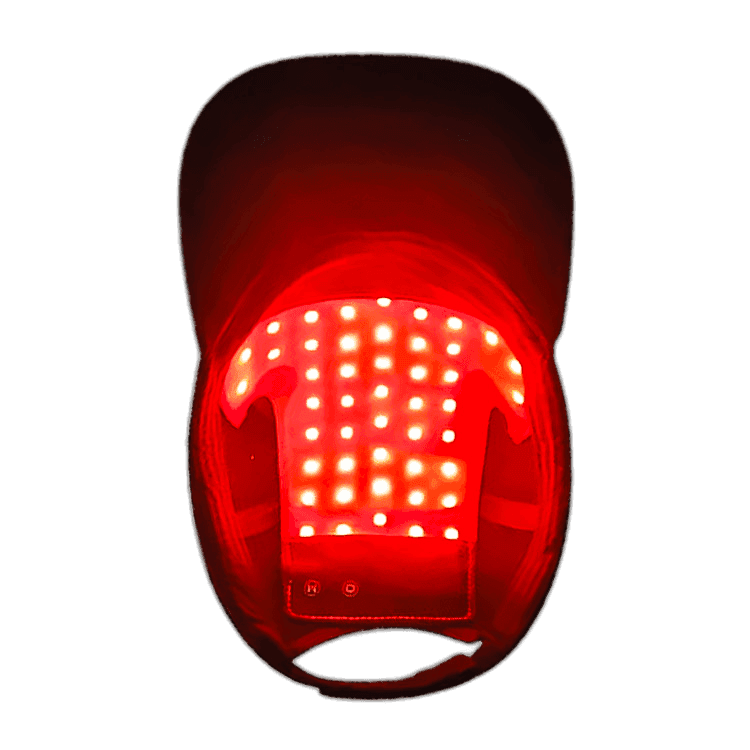
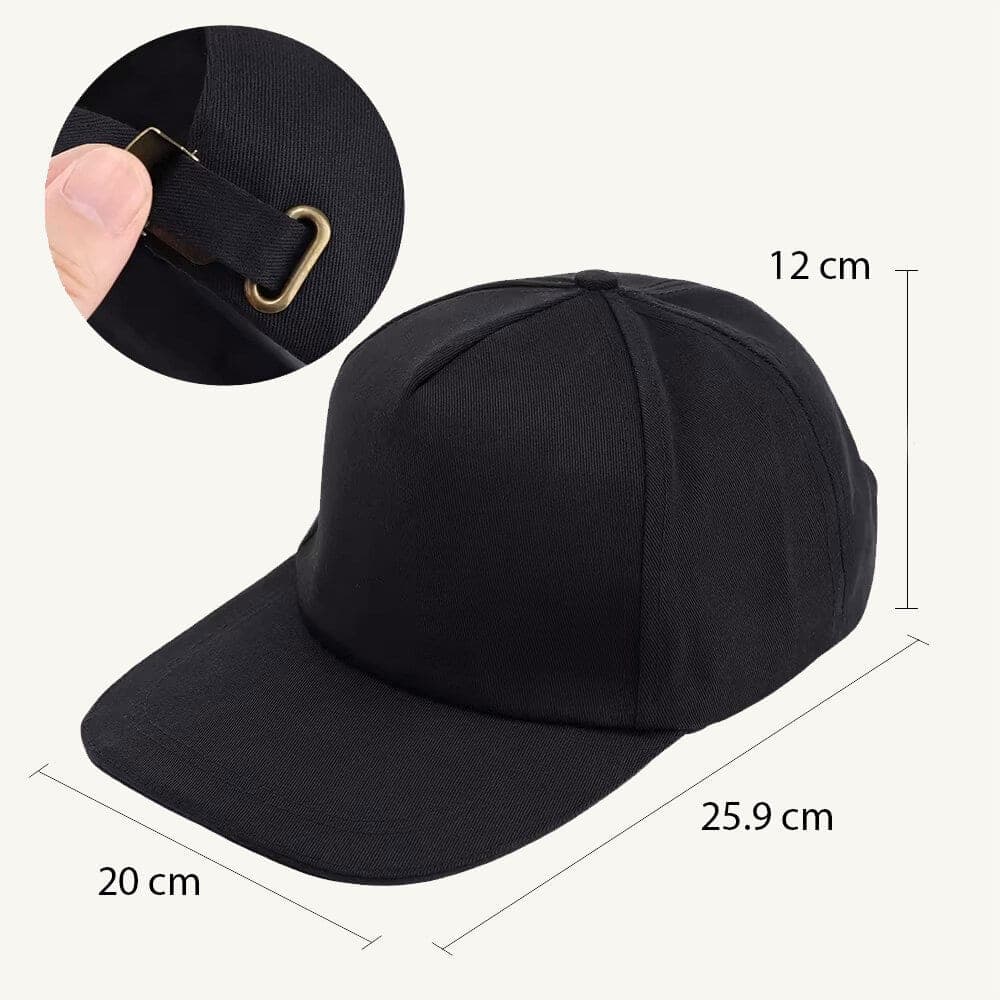
The Biomind LED light cap is a device designed for cosmetic scalp and hair care, which additionally uses the GrowEasy biopattern program. In the context of the radionics / energy-information model, the GrowEasy program is associated with informational themes of hair vitality, the hair growth cycle, and scalp energetic balance. The GrowEasy program is separate from the physical operation of the LED light and is not presented as physiologically stimulating hair follicles, cells, blood circulation, or hair growth.
Hair growth occurs cyclically in three phases:
• Anagen phase – the active growth period, lasting from 2 to 6 years. During this time, hair follicles are most vital and produce new hair most rapidly.
• Catagen phase – a transitional stage lasting 2–3 weeks, when hair growth stops and the follicle begins to shrink.
• Telogen phase – the resting phase, lasting 3–4 months. During this time the hair rests until it naturally sheds and the cycle begins again.
In the scientific RLT/LLLT literature, the hair growth cycle, including the anagen phase, is one of the topics studied. The results of these studies relate to the specific devices and protocols used in them and are not confirmation of the clinical effectiveness of this specific Biomind device. In the GrowEasy program, the concept of the hair growth cycle is used in the context of the radionics / energy-information model as an informational theme.
The device is easy to use, comfortable, and intended for those exploring the connections between energy fields and physical condition. The device is intended for people interested in LED technology in the context of cosmetic hair and scalp care and in radionics / energy-information model practices.
To understand how the product works, it is recommended to take the radionics course.
Usage and Recommendations
- Session duration: 15–20 minutes, 3 times per week.
- Intended use: cosmetic scalp and hair care.
- Nature of use: non-invasive.
Important: The Biomind LED light cap is not intended for the diagnosis, treatment, or prevention of disease. It is presented as a device for cosmetic scalp and hair care. The scientific information on this page about RLT/LLLT technology in general is not proof of the clinical effectiveness of this specific device. The GrowEasy program is a separate radionics / energy-information model program and is not attributed any physiological effect on hair follicles, blood circulation, or hair growth.
The field of radionics and the informational field has been the subject of scientific research for over a century. In recent years the number of publications has been growing (e.g. Rubik B. et al., “Biofield Science and Healing: History, Terminology, and Concepts”, Global Advances in Health and Medicine, 2015), but existing studies are not yet sufficient for definitive clinical conclusions.